Our Approach

The Montessori method.

A trust in the child’s natural ability to learn, a prepared environment, and an unhurried pace. Here’s how Montessori actually works — and why it grows peaceful, capable children.

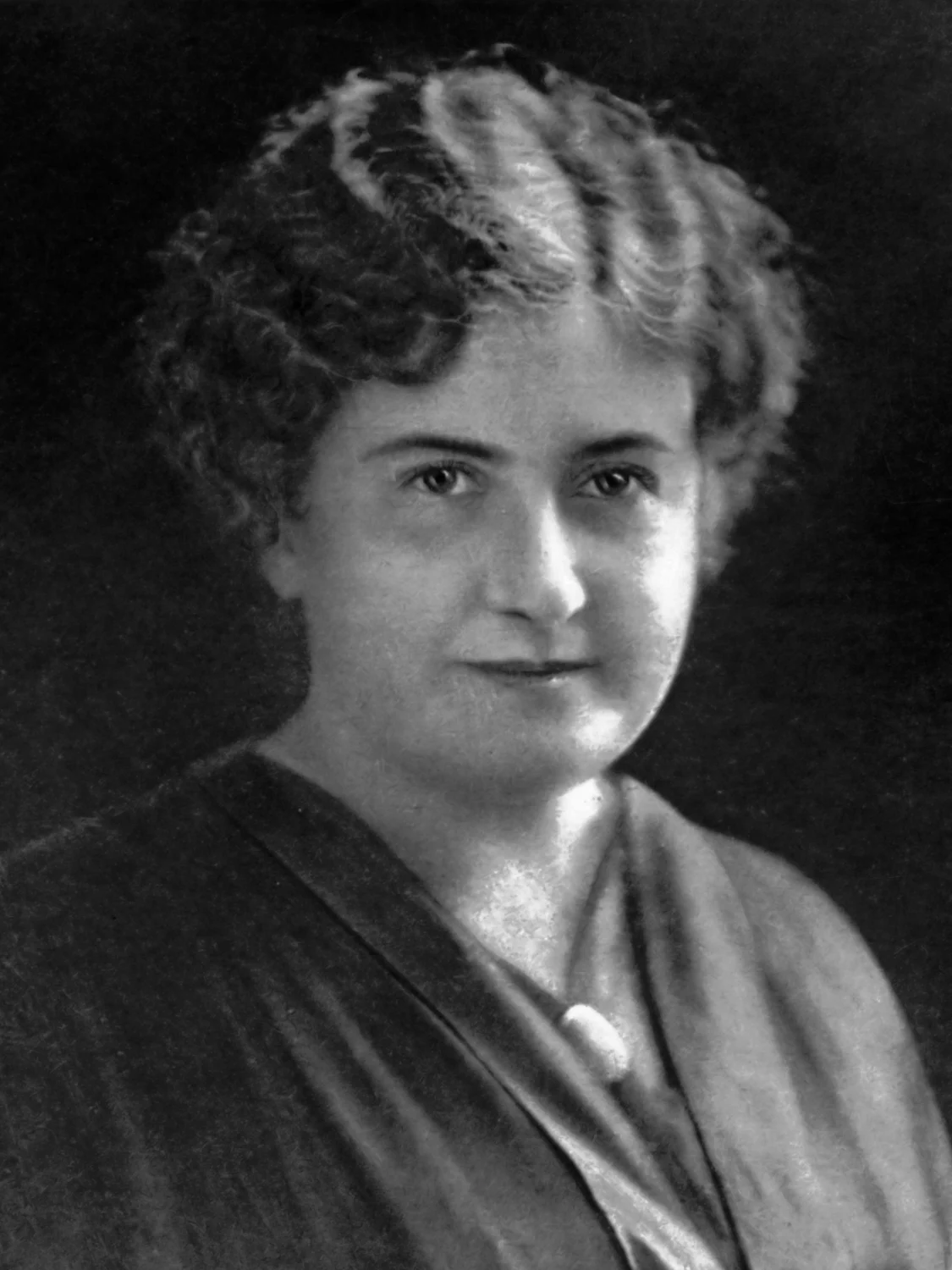
Portrait of Dr. Maria Montessori
Who She Was

The woman behind the method.

Maria Montessori was an Italian physician, educator, and scientist whose work changed the way many people understand childhood. Through careful observation of children, she developed an approach to education built on independence, purposeful work, prepared environments, and deep respect for the child.

She believed children are naturally eager to learn when given freedom within thoughtful limits, beautiful materials, and adults trained to guide rather than control. Her vision of peace education was closely tied to what she called cosmic education: helping children understand the connectedness of all life, their place in the larger story of the universe, and their responsibility to care for one another and the world around them.

Her work began more than a century ago, but the heart of the Montessori method remains the same: trust the child, prepare the environment, and allow learning to unfold with care.

How It Works

Six ideas that shape everything.

The prepared environment

Every space is ordered, beautiful and built to the child’s scale — real tools, natural materials and work arranged from simple to complex so children can choose freely and succeed independently.

Follow the child

We observe before we intervene. Lessons meet each child where they are, honoring the sensitive periods when a child is most ready to absorb language, order, movement, and number.

Freedom within limits

Children move, choose their work, and set their own rhythm inside a clear, consistent structure. Freedom and responsibility grow together.

Hands lead the mind

Concrete materials make abstract ideas tangible — a child feels a thousand beads with their fingers before they ever write the number. Understanding is built, not told.

Mixed-age community

Three-year age spans let younger children learn from older ones and older children consolidate knowledge by teaching. The classroom becomes a small, functioning society.

The whole child

Grace and courtesy, care of self, care of the environment, and peace education matter as much as academics. We tend the heart alongside the mind.

“The goal of early childhood education should be to activate the child’s own natural desire to learn.”
Dr. Maria Montessori
A Continuous Path

One method, from infancy up.

Come See Us

Schedule a visit.

The best way to know if The Garden is right for your family is to walk through the gate — tour a campus, meet us, and see the children at work.