The Absorbent Mind
at work.
In the Children’s House (sometimes referred to as the “Primary Classroom”), children begin to turn curiosity into purposeful work. Three-, four-, and five-year-olds share one classroom, working with hands-on materials, caring for their space, and growing in independence together. The guide observes each child carefully, offering new materials, challenges, and opportunities as the child shows readiness.
The Children’s House
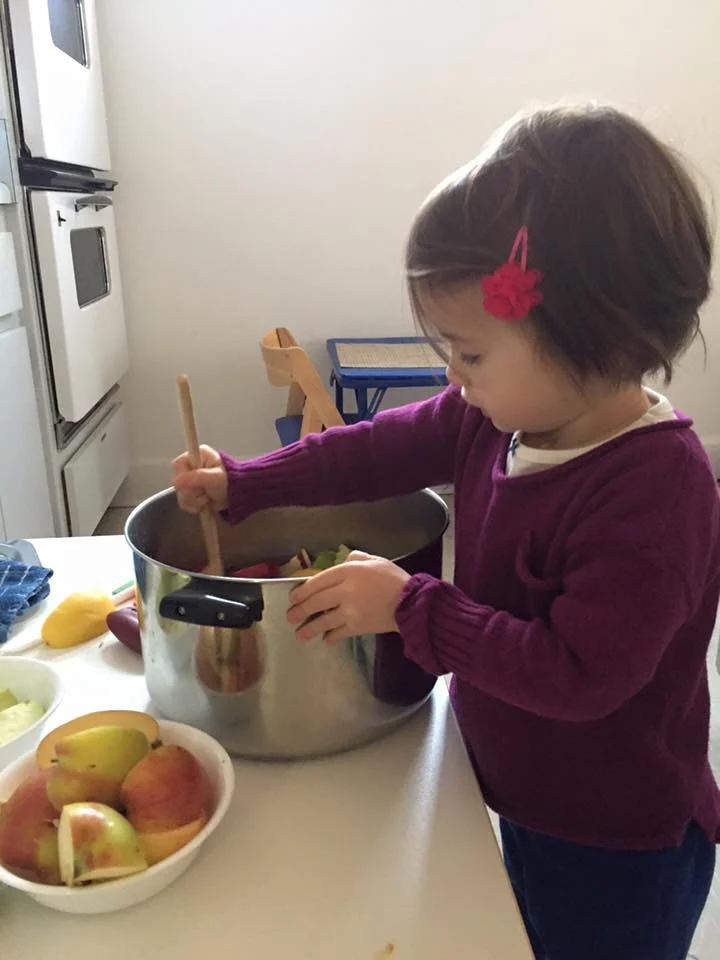
Practical Life, Grace & Courtesy
Children care for themselves, one another, and the spaces they share through real daily work. Indoors and out, they pour, wash, prepare food, arrange flowers, clean, greet, wait, help, tend plants, care for animals, and practice being part of a community where everyone contributes.
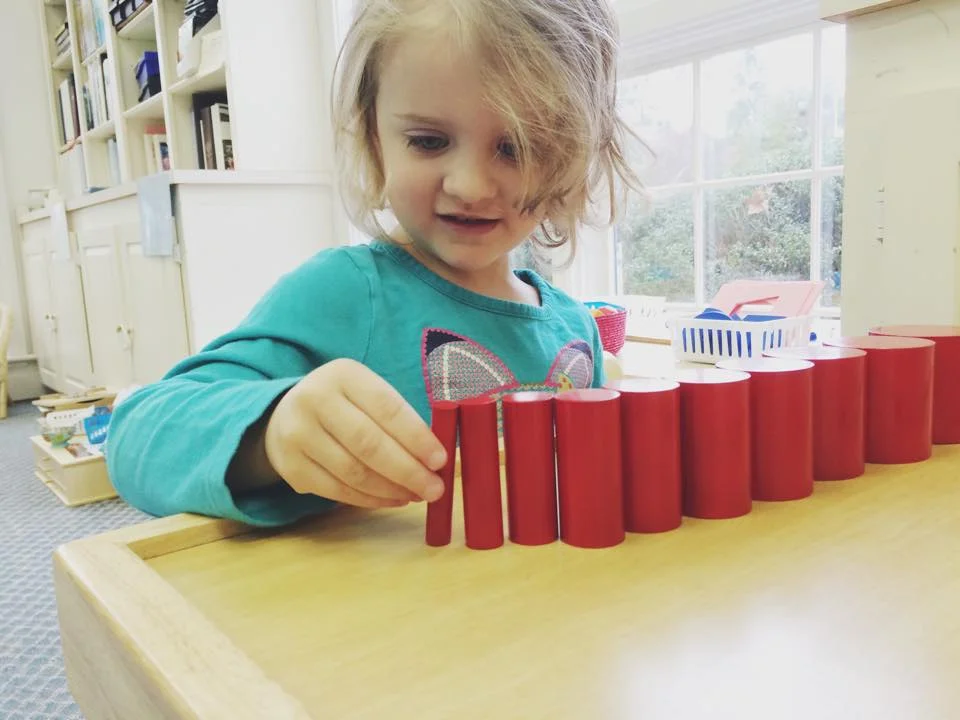
The Sensorial Materials
Sensorial work helps children refine what they see, hear, touch, smell, and understand. In the classroom, children use precise materials for color, shape, sound, texture, dimension, and pattern. Outside, they carry that same attention into the living world: examining and learning about leaves, stones, water, weather, birdsong, bark, scent, and change.
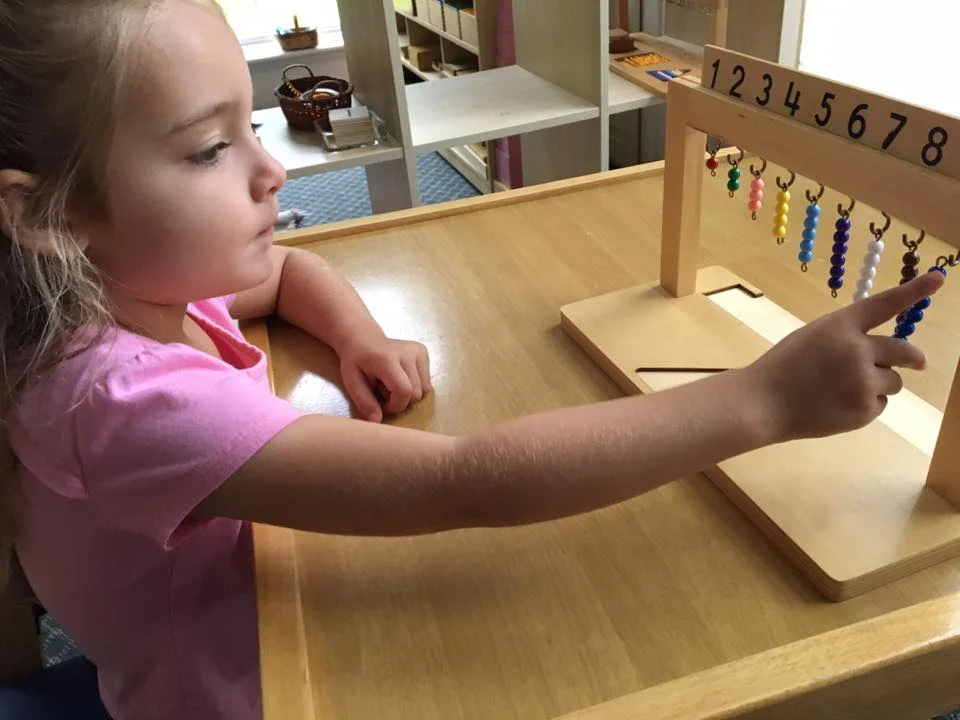
Language & Math: A Concrete Beginning
Children build language and math through hands-on experience. Sounds, letter shapes, stories, counting, quantities, symbols, and early operations begin with materials the child can touch, move, repeat, and understand. Outdoor work extends this naturally through measuring, sorting, collecting, counting, naming, comparing, and noticing patterns in nature.
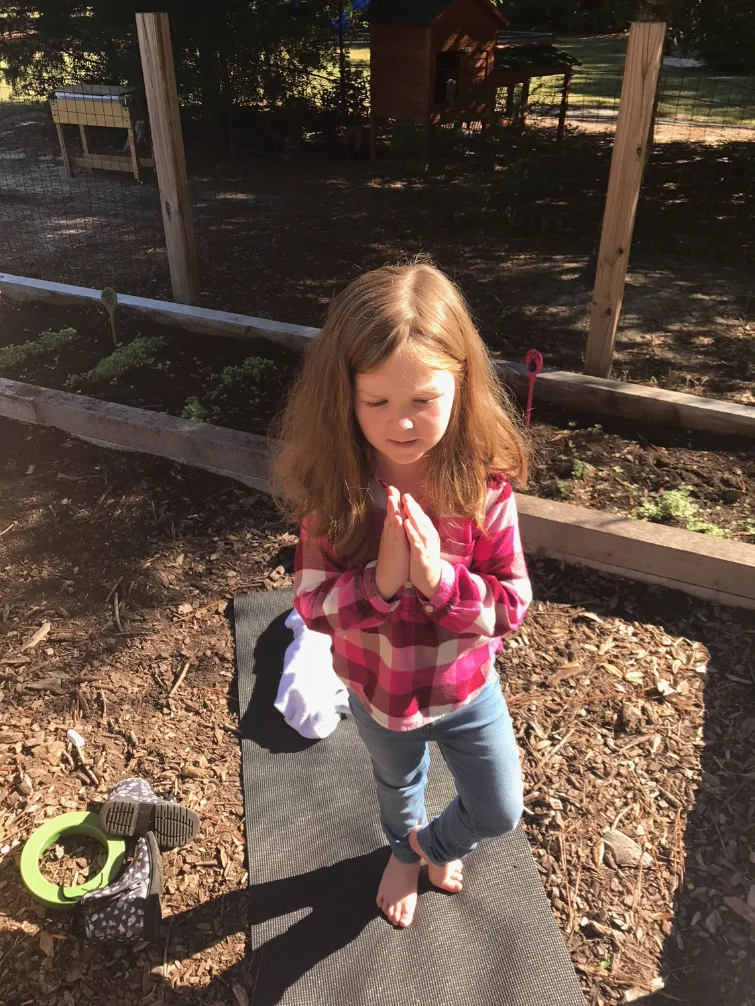
Peace Education
Cultural exercises help children understand the world they can see and the world beyond their own experience. Through geography, nature, science, art, music, stories, traditions, maps, landforms, sky, soil, plants, animals, and people from many cultures, children begin to see themselves as part of a larger human family and a living universe. This is the beginning of Montessori’s education for peace.
“We do not say that we want to prepare a school for children, we wish to prepare an environment for life... The idea is to give the children a house of their own, a house in which they are the masters of themselves.
 Come See Us
Schedule a visit.
The best way to know if The Garden is right for your family is to walk through the gate — tour a campus, meet us, and see the children at work.
Schedule a visit.
Choose the campus and program you'd like to learn more about and book an appointment on their calendar to visit with your child.
 Farm SchoolCarthage
 at Moore MontessoriSouthern Pines
Please note that MMCS offers group information sessions, which will be posted here for RSVPs once scheduled. Individual family visits will be scheduled once availability is confirmed.
 Progressive MontessoriCharlotte
Interested in Teacher Training, or not sure which campus fits? Reach out and we'll help you find your way in.
Apply now.
Choose the campus your family is applying to.